The Roadmap I Never Had:
Life After Scoliosis Surgery and the Healing That Took Years to Understand
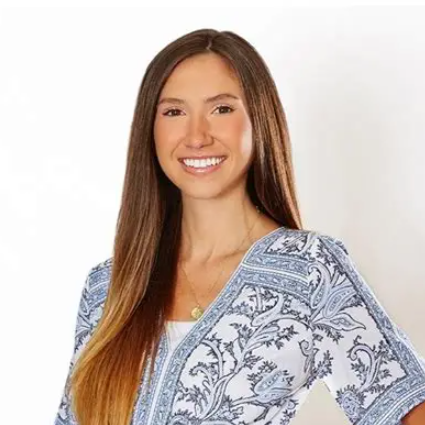
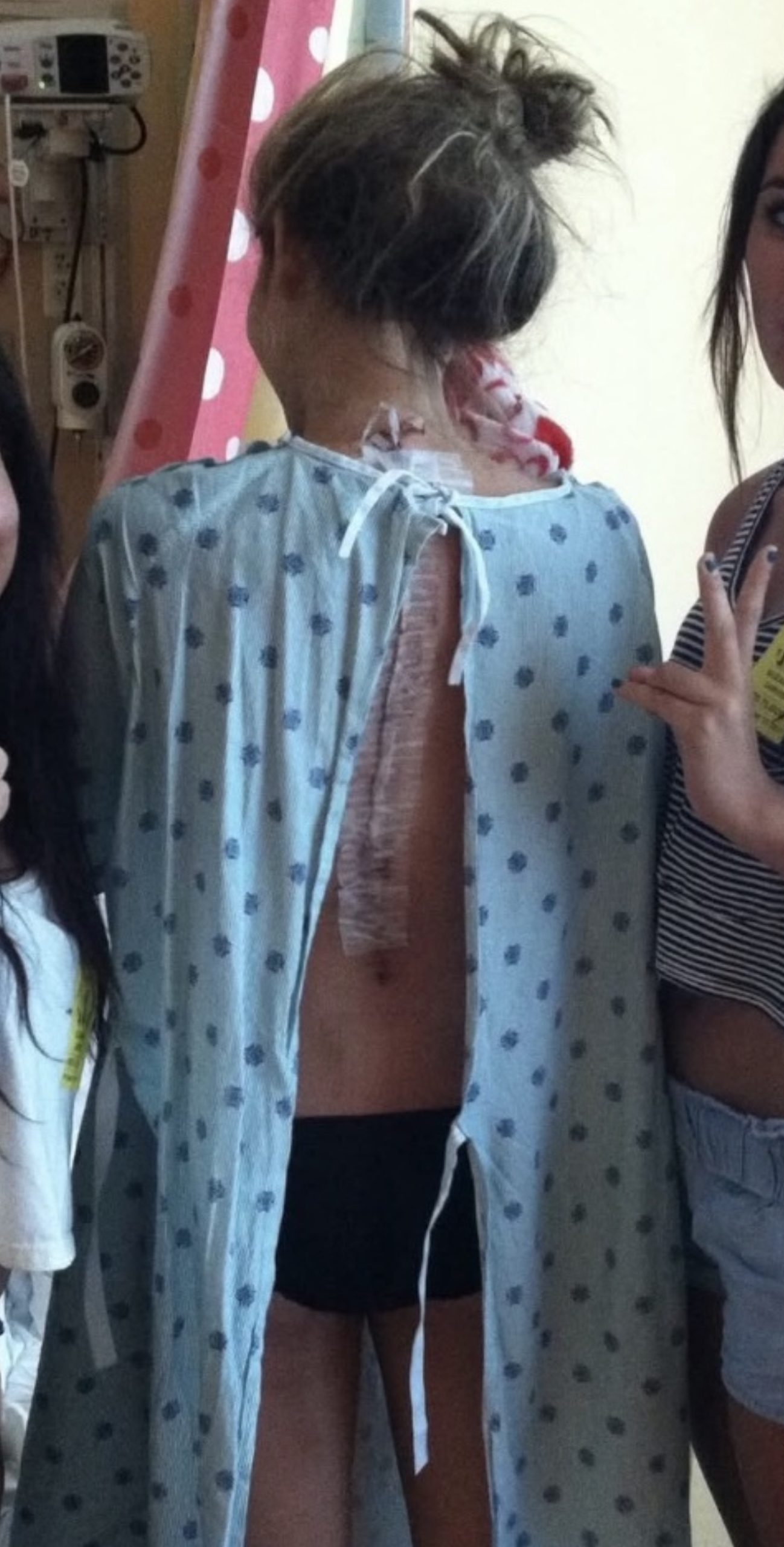
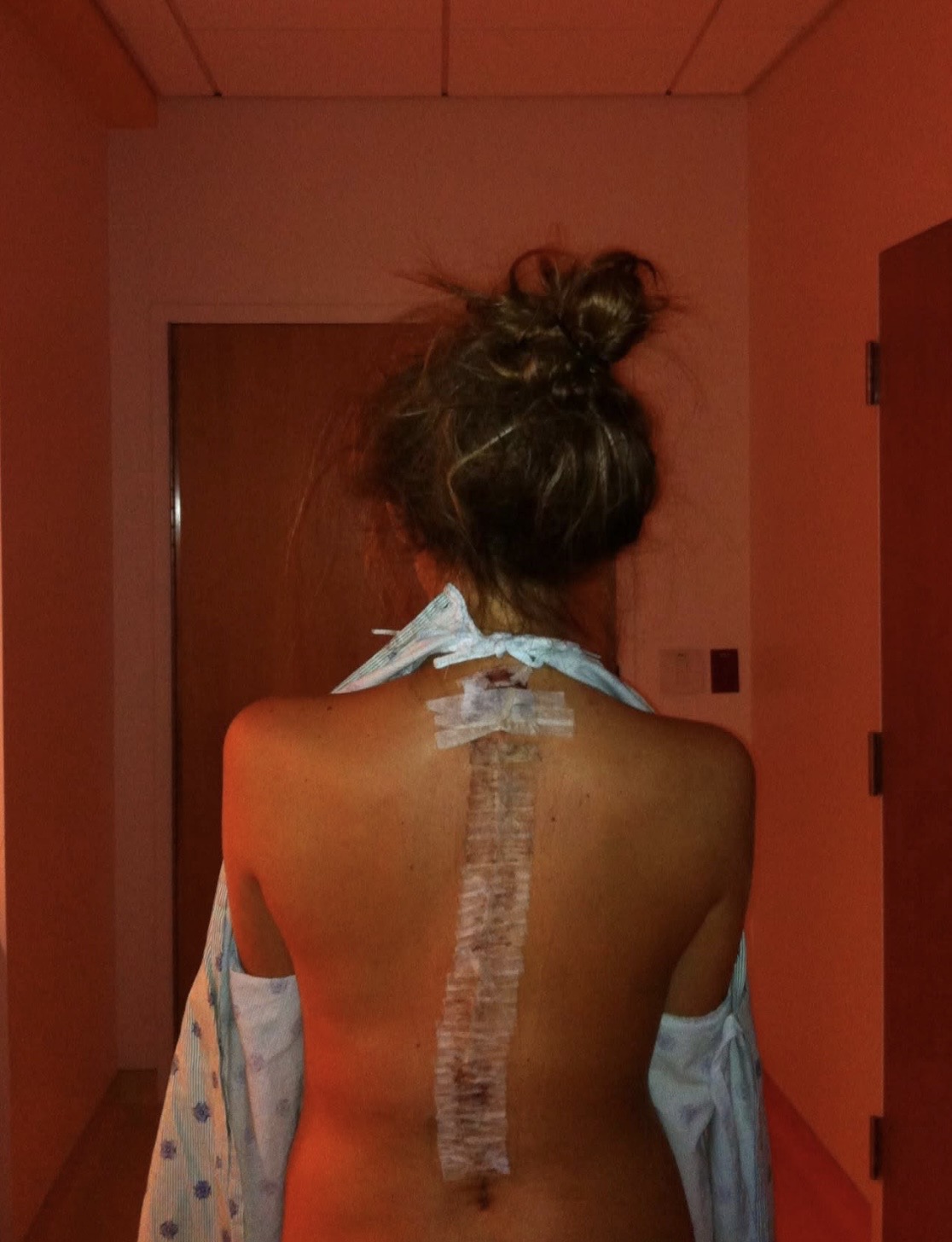
Hi! I am Domenica, a fellow scoliosis and spinal fusion survivor. In 2010, I underwent an 18-hour spinal fusion surgery for scoliosis. I was 15 years old.
At the time, it felt like the finish line.
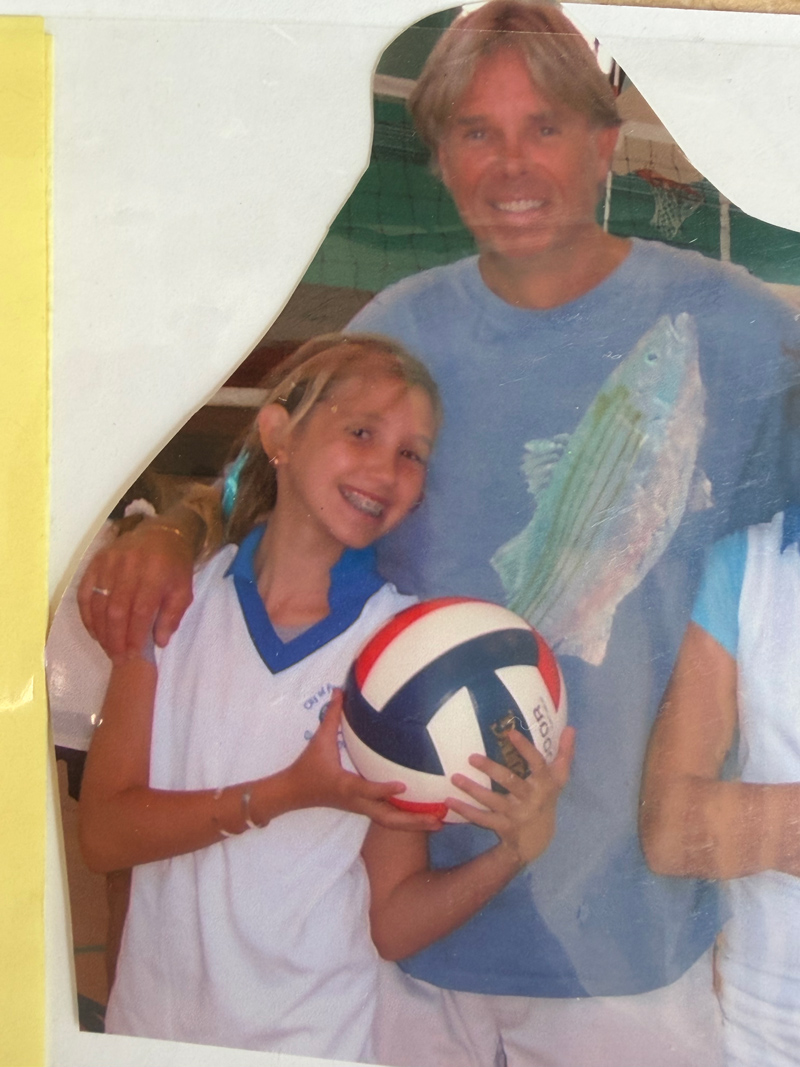
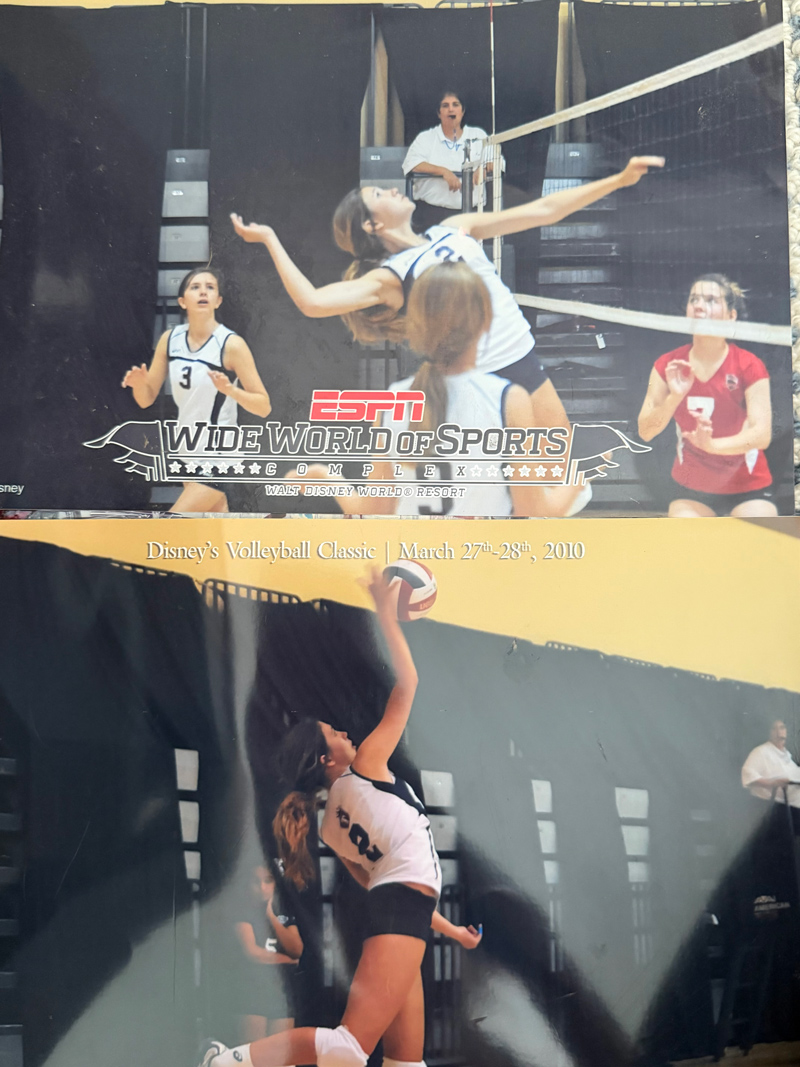
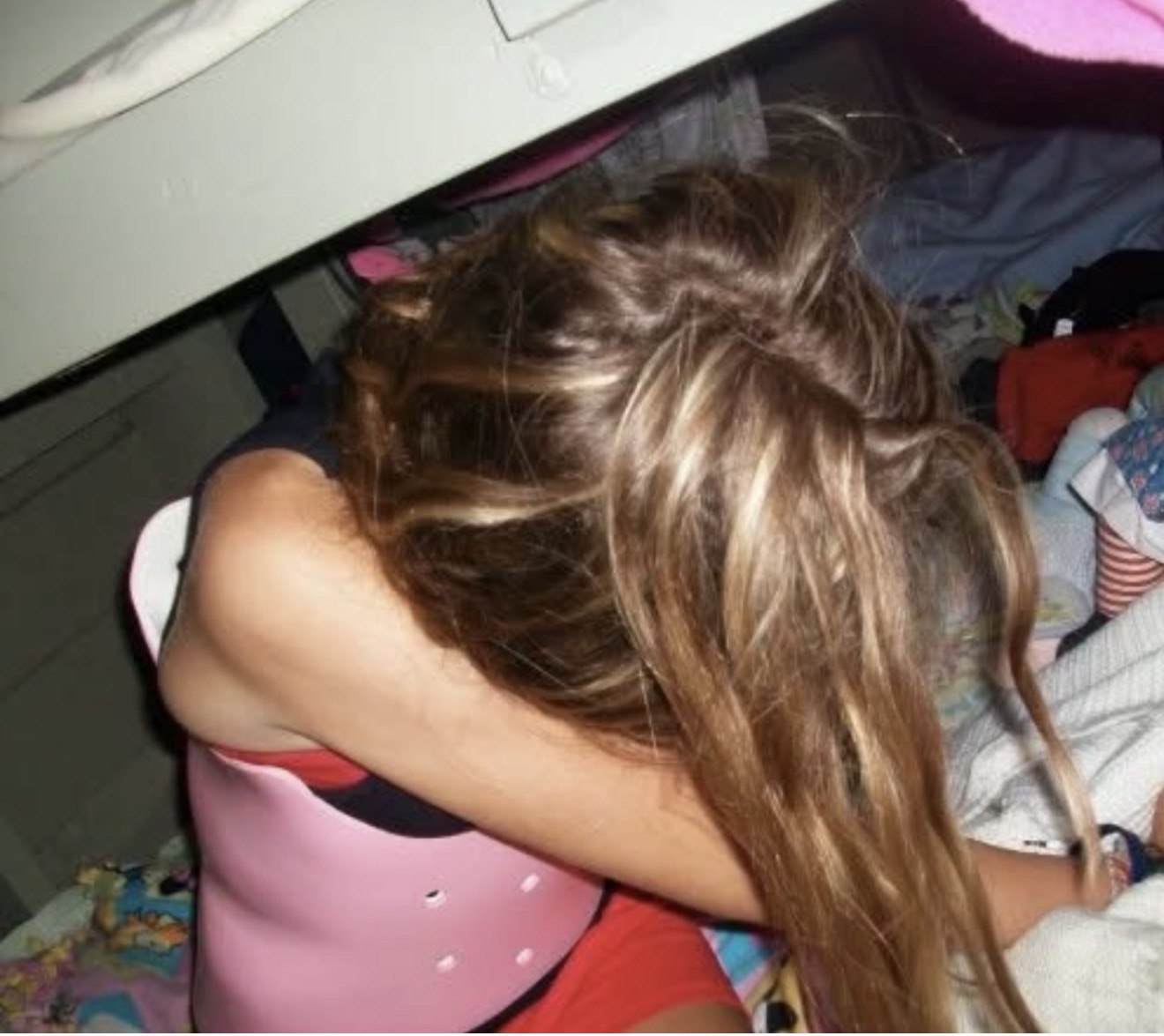
For years, scoliosis had shaped my life. I had been diagnosed at age 12 after a significant growth spurt revealed a 38-degree curve in my spine. As a competitive volleyball and tennis player, I suddenly found myself wearing a back brace and attending medical appointments instead of simply focusing on sports, school, and friends.
Like many kids diagnosed with scoliosis, my goal was simple: avoid surgery.
For three years, I wore my brace faithfully and followed every recommendation. Eventually, my doctors told me my curve had stabilized and that I no longer needed the brace. I thought the scoliosis chapter of my life was finally over.
A few months later, everything changed.
I began getting unusually out of breath during practices. Multiple tests ruled out asthma, but I knew something wasn’t right. When I returned for further evaluation, we discovered my curve had progressed dramatically to 68 degrees.
The scoliosis was compressing my lungs and affecting my organs.
Surgery was no longer a possibility—it was a necessity.
I remember crying in that doctor’s office. Not because I fully understood the medical implications, but because I understood what it meant for the life I knew. It meant stepping away from the sports I loved. It meant facing a major surgery. It meant uncertainty.
That summer was filled with appointments, tests, preparations, and fear. I donated my own blood for surgery and tried my best to stay positive.
Nothing, however, could have prepared me for recovery.
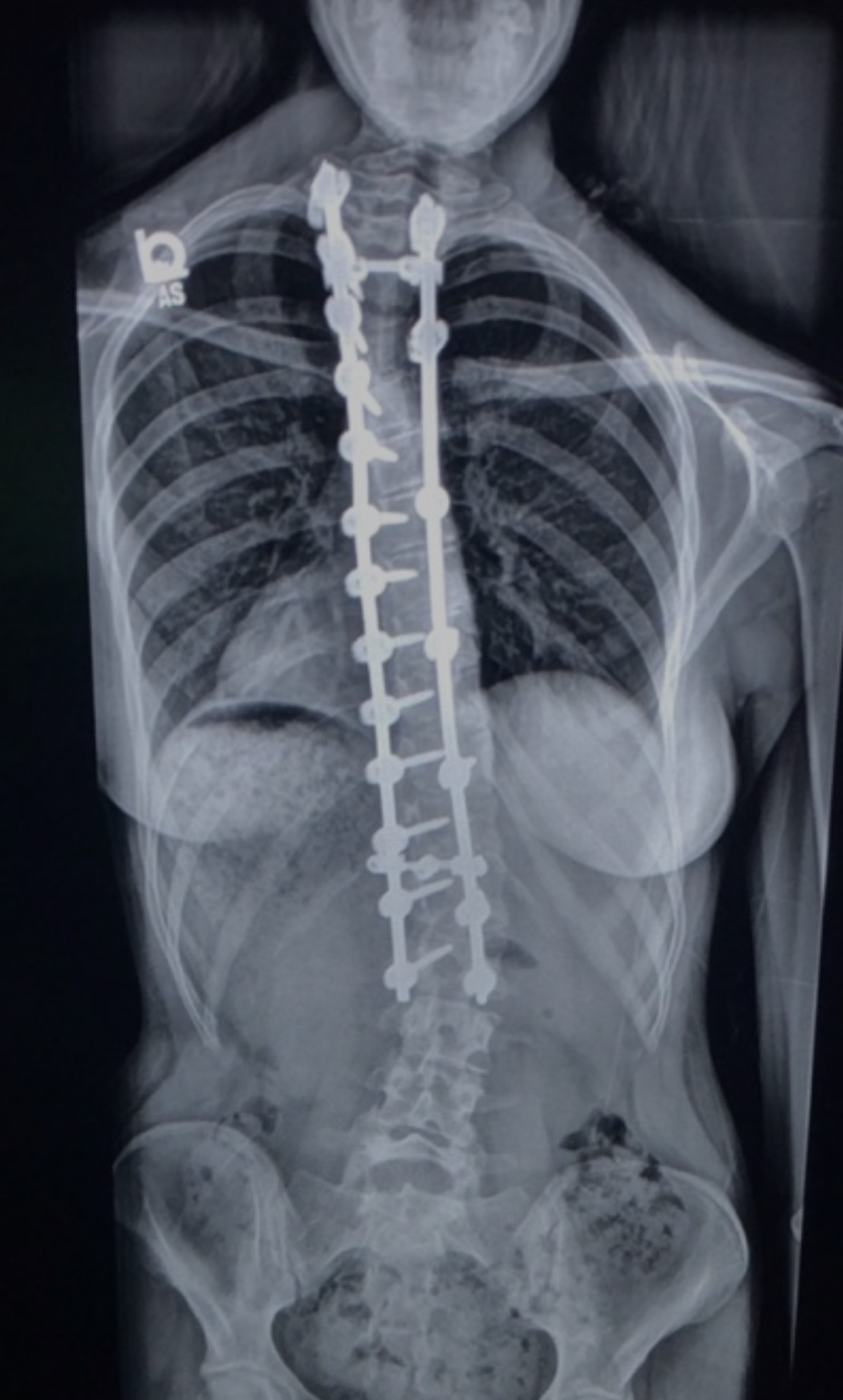
When I woke up after surgery, my spine had been straightened and stabilized with two titanium rods attached to my vertebrae. The procedure was successful, and I remain deeply grateful for the surgeons and healthcare professionals who cared for me.
But what no one talked about was what happened next.
The Recovery Beyond Recovery
Physically, I healed.
Emotionally, the process took much longer.
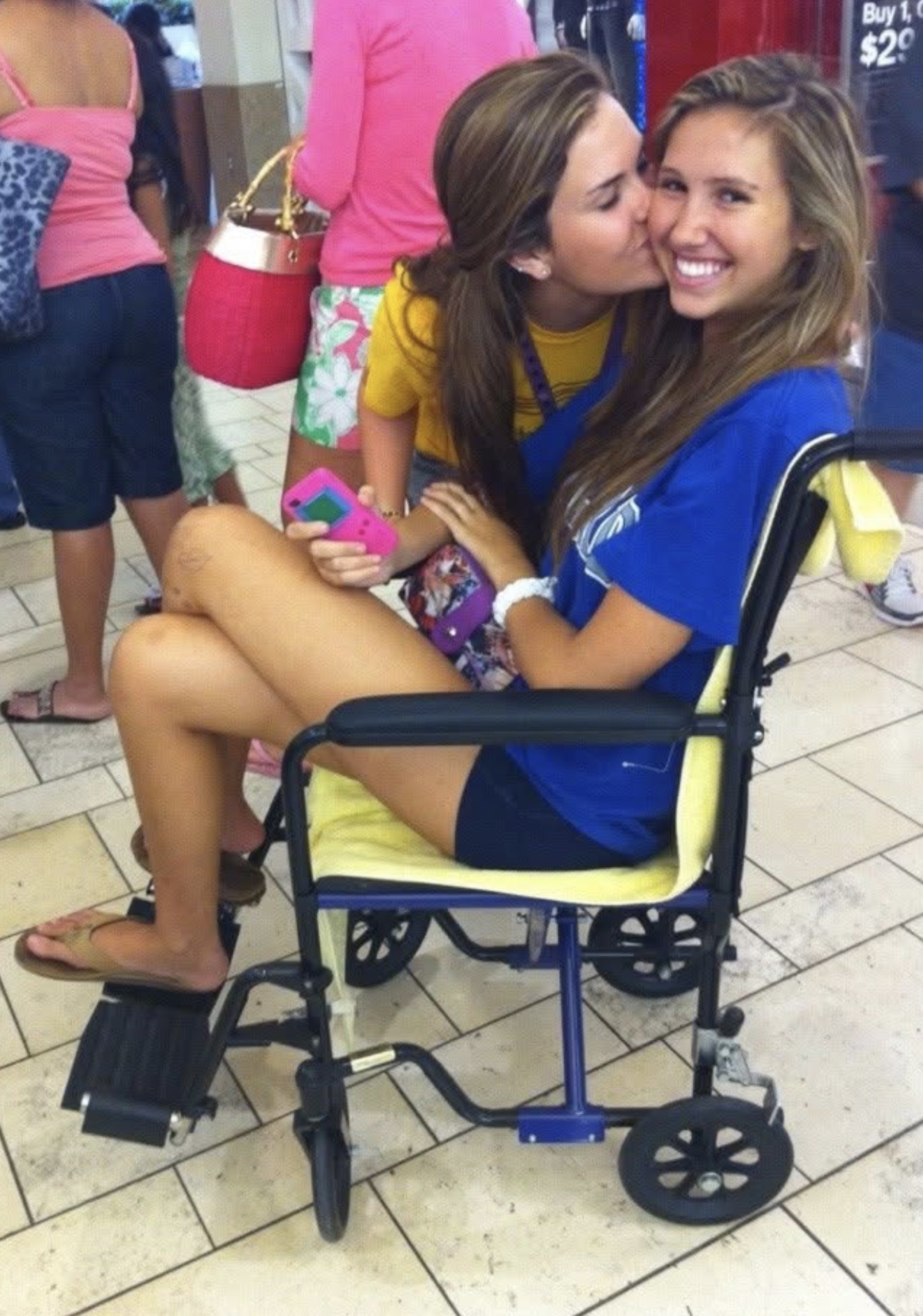
I spent months out of school. I went from being a competitive athlete to relearning how to walk comfortably. Daily accomplishments became much smaller: making it through a school day, taking a longer walk, sitting without discomfort, regaining confidence in my body.
At the time, I thought recovery was about healing my spine.
What I’ve come to understand as an adult is that recovery was also about grieving.
I grieved the athlete I had been.
I grieved the sports that had defined so much of my childhood.
I grieved the future I thought I was going to have.
For years, I didn’t even recognize that grief for what it was.
Like many people who experience significant medical events, I focused on moving forward. I was grateful my surgery had gone well. I built a wonderful life, attended college, developed meaningful friendships, and created experiences I’m incredibly thankful for.
From the outside, everything looked fine.
But underneath, there were still questions I hadn’t answered and experiences I hadn’t fully processed.
What Nobody Told Me About Adulthood With Scoliosis
One of the biggest surprises about scoliosis is that the journey doesn’t necessarily end when treatment ends.
The brace comes off.
The surgery heals.
The appointments become less frequent.
But many of us continue navigating questions about our bodies for years afterward.
How much activity is safe?
Why do I still experience pain?
Why do I feel disconnected from my body?
How do I rebuild trust in myself after years of medical interventions?
What does long-term health and wellness look like now?
These weren’t questions anyone discussed when I was a teenager.
There was tremendous focus on treating the curve—and rightfully so—but very little conversation about how to thrive afterward.
For a long time, I accepted physical limitations as permanent. I assumed discomfort was simply part of life after spinal fusion.
Eventually, however, I became curious about what healing could look like beyond simply managing symptoms.
Rebuilding a Relationship With My Body
Over the past several years, I’ve dedicated myself to learning more about movement, rehabilitation, chronic pain, nervous system regulation, and long-term wellness.
What began as a personal healing journey eventually became a professional calling.
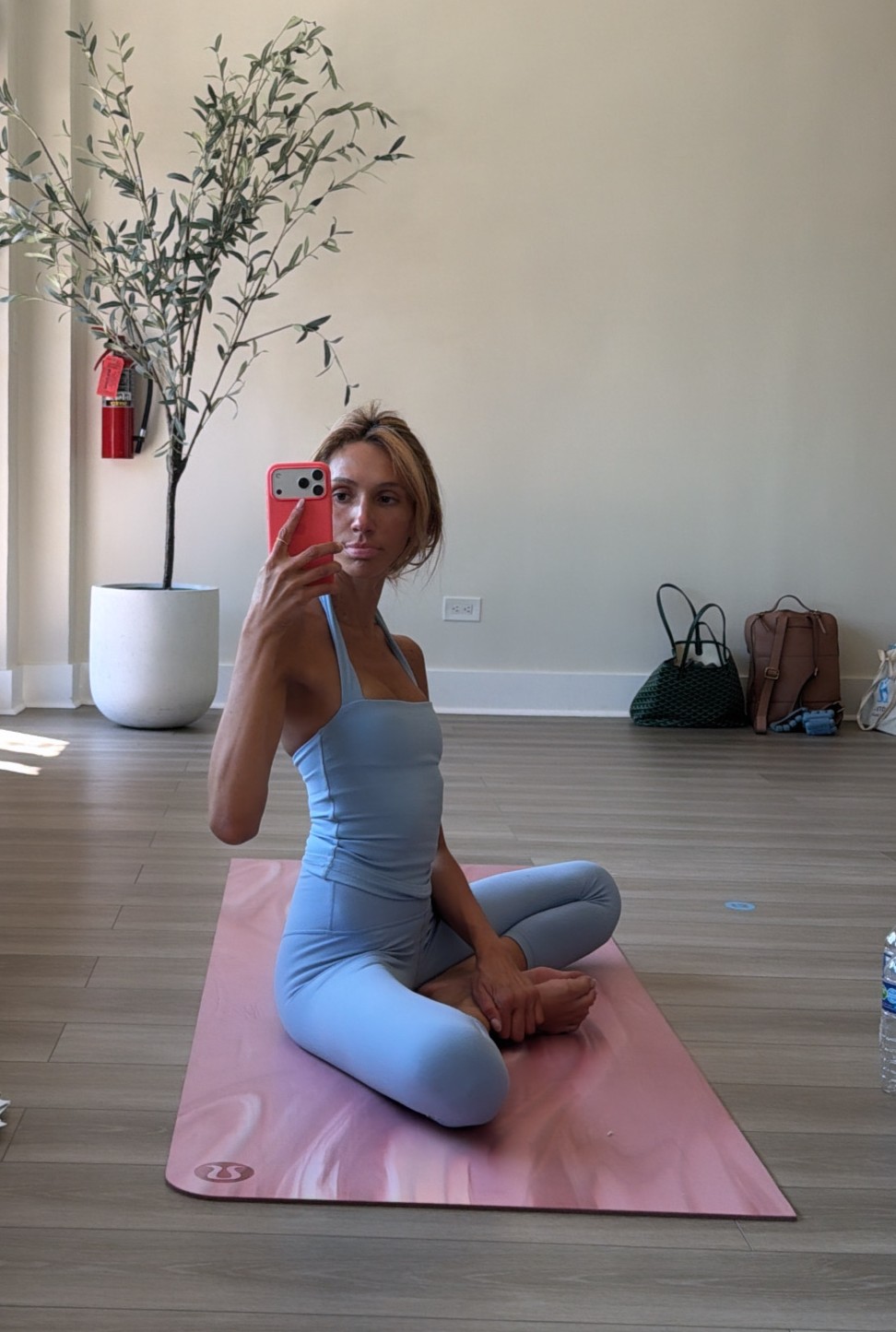
Today, I am pursuing certification as a Pilates instructor because I want to help others experience the same sense of strength, confidence, and connection that movement has given me.
That doesn’t mean my journey has been perfect.
Healing rarely follows a straight line.
But I’ve learned that strength can be rebuilt. Confidence can return. Trust in your body can be restored.
Most importantly, I’ve learned that healing isn’t limited to the physical.
It includes the emotional experiences we carry, the fears we develop, and the stories we tell ourselves about what our bodies are capable of.
The Roadmap I Wish I’d Had
If I could go back and speak to my 12-year-old self—or to any child, teenager, or family facing scoliosis today—I would tell them this:
Your diagnosis is part of your story, but it is not the whole story.
There may be difficult seasons ahead. There may be fear, uncertainty, frustration, or grief.
Those feelings are real.
But there is also life beyond those moments.
There is life after diagnosis.
There is life after bracing.
There is life after surgery.
And there is life well into adulthood that can still be filled with movement, purpose, joy, growth, and possibility.
I would also tell families that emotional support matters just as much as physical treatment. The medical side of scoliosis is incredibly important, but so is helping young people process what they’re experiencing.
The emotional impact often lasts longer than anyone expects.
Why Community Matters
When I was growing up, I didn’t know many people who had gone through what I was experiencing.
My family had questions.
I had questions.
We were all doing our best, but there wasn’t a roadmap.
Looking back, I realize how much comfort I would have found in hearing from adults who had already walked this path.
That’s why organizations like Bracing for Scoliosis matter.
They remind children, teenagers, adults, and families that they are not alone.
They create spaces where experiences can be shared, questions can be asked, and hope can be passed from one generation to the next.
Today, more than 15 years after my spinal fusion surgery, I understand that some of the most meaningful healing came not from a medical procedure, but from recognizing that my story wasn’t over.
Scoliosis changed my life.
But it did not define my future.
And if there’s one message I hope every young person facing scoliosis can hear, it’s this:
Your life is bigger than your diagnosis.
The road ahead may look different than you imagined, but there is still so much waiting for you on the other side.
Sometimes the roadmap we need most comes from those who have traveled the road before us.
Read more patient stories like this from around the world.